

Views: 0 Author: Site Editor Publish Time: 2025-11-24 Origin: Site


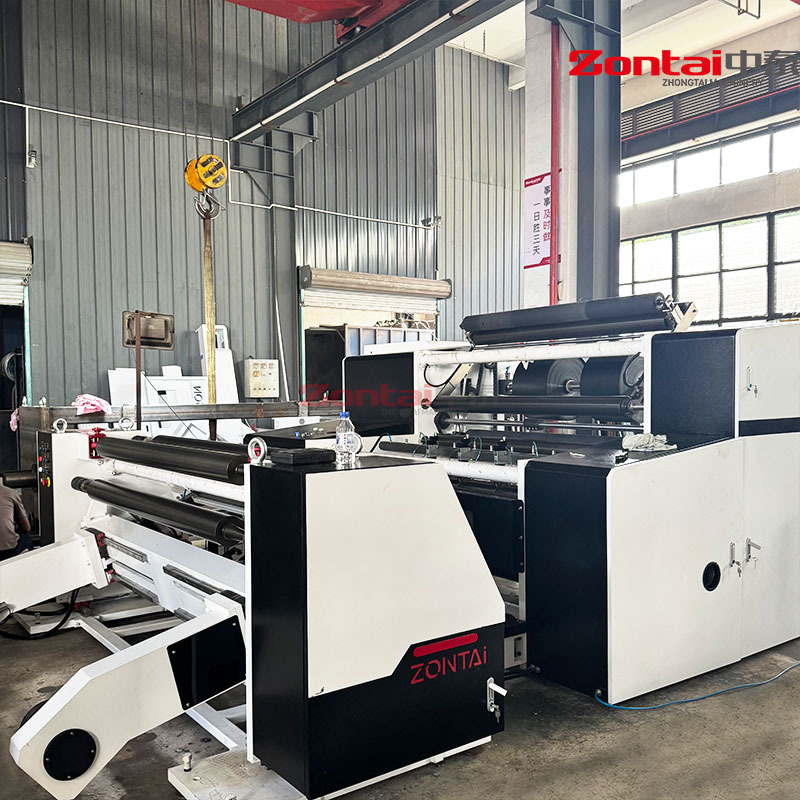
In the fast-paced world of manufacturing, efficiency is key to staying ahead of the competition. A slitting rewinder machine plays a critical role in enhancing productivity by automating the process of cutting and winding materials. This article will explore how a slitting rewinder machine can boost productivity, reduce costs, and increase throughput across various industries, from packaging to textiles.
A slitting rewinder machine is a type of industrial equipment designed to cut large rolls of material, such as paper, film, or fabric, into smaller, more manageable sizes. These machines are essential in industries that deal with large rolls of material, including packaging, paper manufacturing, textiles, and more. The process typically involves unwinding a roll of material, slitting it into smaller rolls or sheets, and then rewinding the material into new rolls.
The slitting and rewinding process is crucial for precision cutting and handling various material types. With the ability to operate at high speeds and handle a variety of materials, slitting rewinder machines have become an indispensable tool in the production line.
One of the most important factors that influence productivity is speed. Slitting rewinder machines can operate at high speeds, allowing for faster production rates. With advanced motors and automatic tension controls, these machines can consistently produce high-quality products without slowing down the production line. This speed is essential in industries where time-to-market is a critical factor, such as packaging and printing.
Slitting rewinder machines are designed for high precision, ensuring that cuts are clean and uniform. Accurate slitting minimizes material waste and ensures that the finished products meet the required specifications. Whether it's film, paper, or textile materials, precision in slitting reduces the need for rework, saving both time and money.
Another advantage of slitting rewinder machines is their versatility. These machines can handle a wide range of materials, including paper, plastic film, textiles, and nonwoven fabrics. The flexibility to work with different material types and thicknesses makes them suitable for various industries, from packaging and textiles to medical and automotive applications.
Automation is a key factor in improving the overall efficiency of slitting and rewinding processes. Slitting rewinder machines often come equipped with automated features such as roll-changing mechanisms, automatic tension control, and intelligent cutting systems. These automated functions help reduce manual intervention, lower the likelihood of human error, and ensure a consistent quality of output.
The primary benefit of using a slitting rewinder machine is the significant increase in throughput. With faster processing speeds and automated functions, these machines enable manufacturers to produce more products in less time. This increased output directly impacts a company's bottom line by reducing production time and meeting customer demands faster.
Slitting rewinder machines contribute to cost efficiency by reducing material waste and improving the accuracy of cuts. By optimizing the slitting process, manufacturers can make the most out of their raw materials, which leads to lower operational costs. Additionally, these machines reduce the need for manual labor and rework, further driving down production costs.
Consistency is crucial in production environments. Slitting rewinder machines help maintain high and consistent quality in the finished product by minimizing human error and ensuring precise cuts. This consistency reduces the chances of defects, improving overall product quality and reducing the likelihood of costly product returns or quality control issues.
Another benefit of slitting rewinder machines is their ability to be customized to meet specific production needs. Whether it's adjusting the slitting width, rewinding speed, or tension settings, these machines can be tailored to fit the exact requirements of a particular material or production line. Customization ensures that manufacturers can achieve the best possible results for their specific applications.
Lean manufacturing aims to eliminate waste, streamline processes, and improve overall efficiency. Slitting rewinder machines play a key role in supporting lean principles in manufacturing by:
Streamlining workflows: The automation and speed of slitting rewinder machines reduce bottlenecks in the production line, allowing for smoother transitions between stages.
Reducing manual handling: With automated features, these machines minimize the need for manual intervention, reducing the chances of errors and injuries.
Minimizing downtime: Modern slitting rewinder machines are designed for reliability and ease of maintenance, helping to minimize production downtime.
By enhancing the overall efficiency of the production process, slitting rewinder machines contribute to a leaner, more cost-effective operation.
A leading packaging company invested in high-speed slitting rewinder machines to meet growing demand for flexible packaging solutions. The machines helped the company reduce slitting times by 30%, allowing them to meet customer deadlines more effectively. Additionally, the precision of the cuts minimized material waste, saving the company thousands of dollars annually in raw material costs.
A textile manufacturer improved its fabric cutting process by installing slitting rewinder machines capable of handling various fabric types and thicknesses. With automated tension controls and high-speed operation, the company was able to increase production capacity by 40%, reducing lead times and improving customer satisfaction.
Kew International emphasizes the importance of precision in slitting and rewinding processes. According to their insights, the ability to cut materials to precise widths significantly reduces waste and ensures that the finished products meet the required standards. Their machines are designed to handle high volumes while maintaining quality, boosting productivity for manufacturers.
Maxwell Slitters highlights the role of automation in increasing efficiency. Their machines are equipped with advanced features such as automatic tension control and quick roll changeovers, which enable manufacturers to keep production lines running without interruption. The integration of these features results in higher throughput and fewer operational delays.
Slitting Tech focuses on the versatility and customization of slitting rewinder machines. They argue that the ability to customize settings such as slitting speed and tension ensures that the machines can adapt to different production needs. This flexibility allows manufacturers to meet a wide range of product specifications, further enhancing their productivity.
Delish Machine notes that their slitting rewinder machines contribute to better overall operational efficiency by improving material consistency and reducing waste. Their focus is on providing machinery that ensures optimal slitting speeds while maintaining tight tolerances, which enhances the efficiency of the entire production process.
Slitter China emphasizes the importance of precision and reliability. Their machines are engineered to handle the demands of high-precision industries, ensuring consistent and accurate cuts. This consistency not only improves product quality but also minimizes rework, leading to significant productivity gains.
DCPapertube-Machines points out that their slitting rewinder machines help increase material yield by reducing waste during the cutting process. This capability is especially important in industries like paper and packaging, where every inch of material counts.
ACelli highlights the role of technological upgrades in boosting productivity. Their slitting rewinder machines are equipped with advanced tension control and high-speed motors, enabling manufacturers to improve throughput while decreasing waste and operational costs.
When selecting a slitting rewinder machine, manufacturers should consider the following factors:
Material types: Ensure the machine is capable of handling the specific materials used in your production process.
Speed and throughput: Choose a machine that meets the required production speeds for your operation.
Customization options: Look for machines that can be adjusted to fit specific production requirements, such as slitting width and tension control.
Maintenance and support: Ensure the machine comes with reliable after-sales support and easy access to maintenance services.
Slitting rewinder machines play a critical role in improving productivity in various industries by enhancing speed, precision, and cost efficiency. The ability to automate processes, reduce waste, and increase throughput makes these machines an essential tool for manufacturers looking to streamline operations and improve their bottom line. Investing in a high-quality slitting rewinder machine can lead to long-term improvements in efficiency and product quality, helping companies stay competitive in an increasingly demanding market.
