

Views: 0 Author: Site Editor Publish Time: 2026-01-21 Origin: Site


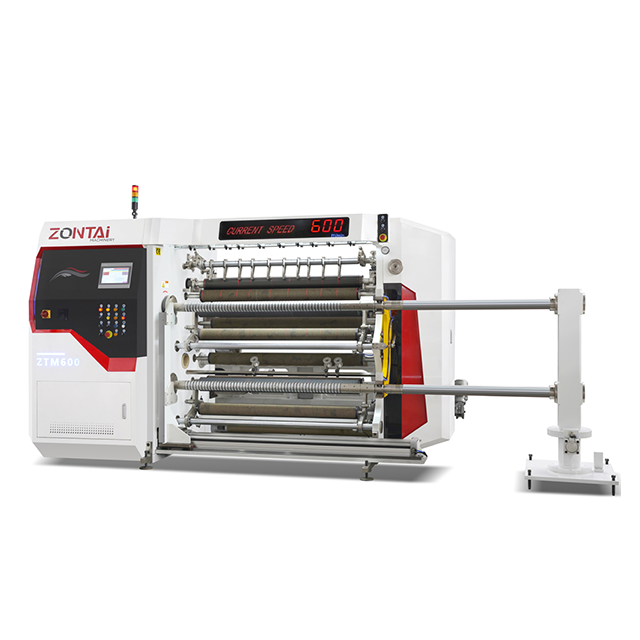
Wide rolls are difficult to process without the right tools. Understanding what a slitting rewinding machine is helps ensure accurate width and stable tension. This guide explains how the machine works and why it matters in modern production. Reliable models from Zontai also support consistent performance—learn more about our products.
A slitting rewinding machine cuts a wide material web into multiple narrow strips and rewinds those strips onto new cores. The entire process runs continuously, making it ideal for high-volume operations. The machine integrates mechanical design, digital automation, tension management, and blade systems to ensure output accuracy. It is used wherever large parent rolls need to be processed into specific widths for further printing, coating, laminating, or packaging. Modern slitting machines provide higher levels of precision and stability, supported by advanced PLC control and servo-driven components.
The three fundamental functions of a slitting rewinding machine are unwinding, slitting, and rewinding. Unwinding provides a stable feed; slitting divides the material into exact widths; rewinding creates finished rolls with consistent hardness and alignment. These functions must work smoothly to deliver predictable results, especially at high production speeds. High-end machines often include intelligent correction systems to keep materials centered and maintain consistency throughout the run.
Slitting rewinding machines can handle a wide range of materials, each requiring specific blade styles and tension strategies. Films need controlled tension to avoid stretching, while papers benefit from shear cutting for clean edges. Nonwoven fabrics require crush blades to prevent fiber tearing. Aluminum foil demands stable handling to avoid wrinkles. Zontai’s slitting machines demonstrate versatility in these applications by supporting multiple blade configurations and advanced tension algorithms.
Material Type | Typical Thickness | Preferred Slitting Method |
Plastic film | Thin to medium | Razor or shear slitting |
Paper rolls | Medium to thick | Rotary shear slitting |
Aluminum foil | Very thin | Razor slitting |
Nonwoven fabrics | Soft or elastic | Crush slitting |
Note: Proper blade selection reduces dust, tearing, and edge deformation.
A slitting rewinding machine operates through a coordinated, continuous sequence that transforms a wide roll into several narrow finished rolls. Understanding this workflow helps operators improve output quality, reduce downtime, and adjust machine settings more effectively.
The process begins with placing the parent roll onto the unwind stand. Hydraulic or pneumatic systems assist with heavy lifting. As the roll unwinds, tension control prevents slack or excess pull. Stable unwinding is essential, as errors at this stage can affect slitting accuracy. Automatic brakes, servo motors, or magnetic controls ensure consistent roll feed. Advanced machines also compensate for changing roll diameters during unwinding, maintaining uniform tension.
Material alignment is controlled by web-guiding systems. Sensors detect any side movement, while actuators make micro-adjustments to keep the web centered. Precise alignment ensures the blades contact the web at correct positions, preventing uneven slit widths. Intelligent guiding systems maintain stability even at high speeds and help reduce material waste.
Accurate tension is critical to avoiding wrinkles, stretching, and roll deformities. Tension systems use load cells, dancer rollers, and servo compensation to ensure stability. As the roll diameter changes during unwinding or rewinding, the machine dynamically adjusts torque. Good tension performance protects delicate films and ensures clean edges on thicker materials.
The material passes through a blade system that divides it into strips of desired widths. Slitting can involve razor blades, rotary shear blades, or crush blades. Operators adjust blade spacing, pressure, and angle to suit specific materials. Blade rigidity and holder stability play major roles in cut quality, especially at high speed.
Following slitting, each strip is wound onto new cores. Rewind systems control torque, roll hardness, and edge alignment. Operators may choose surface winding, center winding, or differential winding depending on material needs. Proper rewinding prevents telescoping, soft edges, and structural instability of finished rolls.
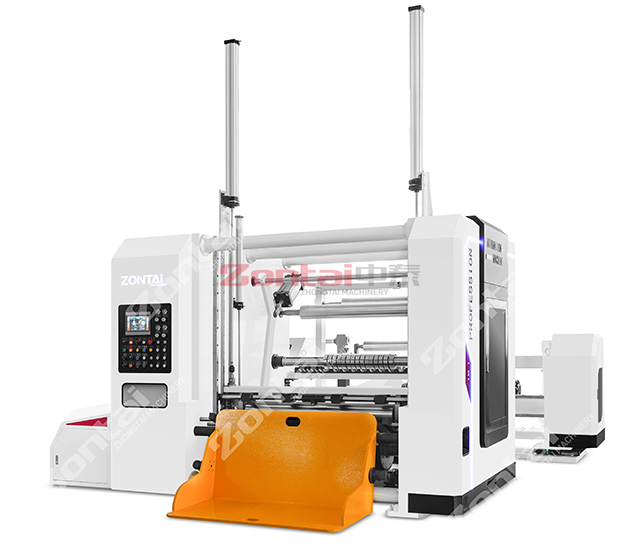
Each part of the machine contributes to final roll quality, and understanding these components helps operators choose the right setup for different materials and production goals. Well-designed components improve accuracy, stability, and long-term performance, especially during high-speed runs.
The unwind stand supports the parent roll and delivers controlled feeding tension. Pneumatic chucks and hydraulic lifting systems make loading safer and faster, while alignment mechanisms keep the roll centered. A stable unwind section prevents wrinkles and uneven feeding, which directly improves downstream slitting accuracy.
The slitting section contains blade shafts, holders, and adjustment modules. Clean and reliable cutting depends on rigid blade support, precise positioning, and low vibration. High-grade slitting assemblies maintain sharpness longer and reduce dust or burr formation. Proper blade alignment ensures every strip reaches the correct width with smooth edges.
The rewind system builds the finished rolls. Differential shafts, air shafts, and surface winders apply controlled pressure to each strip to create uniform density across all rolls. Effective rewinding prevents telescoping, soft edges, and roll deformation. Stable torque control also helps maintain consistency from the first roll to the last.
A modern slitting rewinder relies on PLC automation, touchscreen operation, and intelligent feedback sensors. Operators can fine-tune tension, speed, blade positioning, and alignment through an intuitive interface. Advanced control systems help maintain accuracy during long production cycles and support quick job changes with minimal manual adjustment.
Component | Primary Function | Impact on Output |
Unwind system | Feeds material | Prevents wrinkles |
Slitting unit | Cuts strips | Ensures cut accuracy |
Rewind system | Forms finished rolls | Controls roll stability |
Control panel | Automation and monitoring | Improves consistency |
Different machine types suit different production needs and material characteristics. Each design offers unique strengths in speed, automation, and roll handling, allowing manufacturers to choose the best option for their workflow.
These machines feature two rewind shafts that operate alternately, allowing fast transitions between jobs. They support high-speed production and maintain strong roll stability for films, papers, and laminates. Duplex designs are often preferred for medium-to-large converters that require reliable performance and frequent roll changes.
Turret systems offer near-continuous output by rotating automatically to a new set of cores when a roll is complete. This reduces downtime and improves overall efficiency. Turret rewinders are ideal for high-volume operations where uninterrupted production is essential, such as flexible packaging and label stock conversion.
Narrow-web slitters are designed for small-width materials like label stock, tapes, and narrow films. Their compact structure supports precise cutting and quick setup adjustments. This type is especially useful for short runs, frequent size changes, and industries requiring very tight width tolerances.
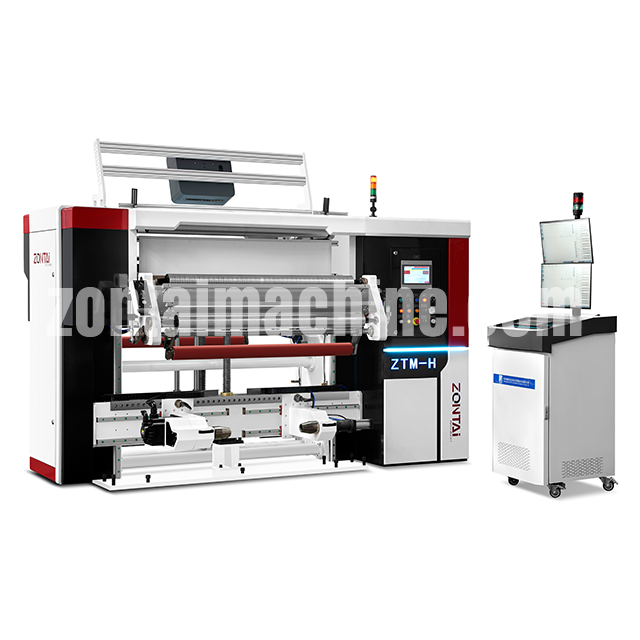
Blade choice directly influences cut quality, production speed, and material compatibility. Selecting the right blade ensures clean edges and stable operation.
Razor blades provide clean, straight cuts and excel with thin films and foil materials. They require steady tension and proper alignment, making them suitable for lightweight substrates that cannot tolerate heavy cutting pressure.
Rotary shear blades use two rotating knives that create a smooth scissor-like action. This method delivers precise edges and strong cutting force, making it ideal for paper, laminated webs, and medium-to-thick films. Shear blades are durable and perform well at higher speeds.
Crush blades operate by pressing material against a hardened anvil to create separation. They work well with soft, elastic, or fibrous materials such as nonwovens and foams. This method prevents tearing and provides consistent results on substrates that are difficult to cut cleanly.
Paper grades and cardboard are widely used in printing, labeling, and packaging. These substrates require clean, accurate slitting to maintain smooth feeding in later operations. Stable tension and sharp blades are essential for maintaining edge integrity.
Plastic films are common in food packaging, industrial wrapping, and lamination. Because films stretch easily, they require controlled tension and precise guiding. Proper slitting prevents curling, stretching, and uneven winding that could affect downstream performance.
Nonwoven fabrics and textile-based materials are used in hygiene, filtration, and medical applications. They require gentle handling, as too much pressure may distort fibers. Specialized crush blades or low-tension setups help maintain material structure.
Accurate slitting reduces trim waste and increases usable output. Modern machines use advanced guiding and tension systems to maintain consistent quality across wide webs, helping manufacturers optimize material usage.
Today’s machines run at high speeds and incorporate automation features that minimize operator input. Faster setup, improved stability, and continuous operation options lead to greater throughput and lower labor costs.
Well-controlled tension, proper blade alignment, and smooth rewinding create rolls with uniform density and clean edges. High-quality rolls reduce issues during printing, laminating, and packaging, improving overall production reliability.
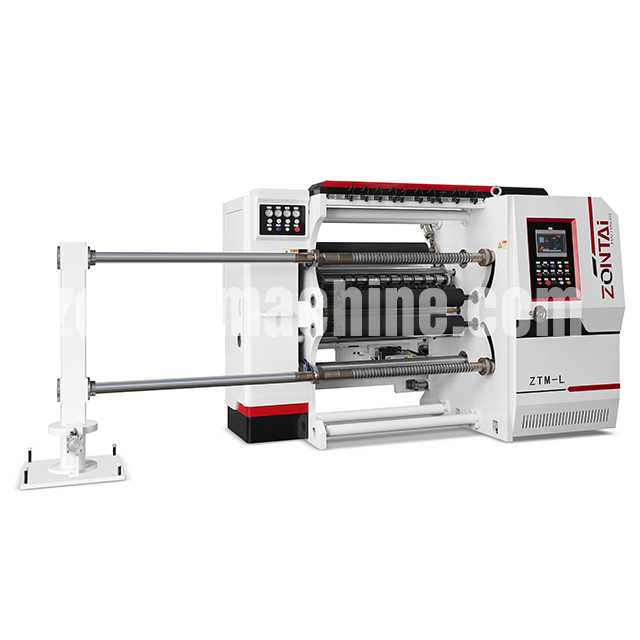
Different substrates respond differently during slitting, so material behavior should guide machine selection. Films may need precise low-tension control, while paper and laminates require stronger shear systems for clean edges. Nonwovens and elastic materials benefit from crush cutting and gentle winding. Choosing a machine built for your primary substrates helps ensure stable performance and fewer adjustments during production.
Each machine offers a defined range for minimum and maximum slit widths. Verify that this range fits your product requirements, especially if you plan to run multiple formats. Consistent width accuracy is essential for printing, laminating, or packaging lines that rely on tight tolerances.
High-speed machines are ideal for converters with large production volumes. A rigid frame reduces vibration, and servo-driven systems maintain stability at elevated speeds. Load capacity also matters when handling large parent rolls, ensuring smooth unwinding and reduced operator strain.
Automation can significantly improve efficiency and consistency. Features such as PLC control, automatic blade positioning, turret rewinding, and intelligent guiding minimize manual intervention. These systems support faster setups, fewer errors, and stable long-term output. Many converters prefer machines with durable mechanical structures and reliable components to reduce downtime and maintenance needs.
These machines prepare flexible packaging films, laminated structures, and pouch materials. Accurate slitting ensures proper sealing, print alignment, and consistent appearance in finished packaging.
They create narrow rolls for printing presses, label finishing units, and coating lines. Clean edges and consistent tension help maintain high-speed print quality and reduce breakage.
They process tapes, foils, insulation layers, composites, and technical films. Stable roll formation and precise widths support downstream processes such as lamination, die-cutting, and assembly.
A slitting rewinding machine turns wide rolls into precise narrow rolls through controlled unwinding, guiding, slitting, and rewinding. Each stage shapes quality and efficiency. Reliable equipment with strong tension control and stable automation improves output. Many users value machines from Zontai for consistent performance and dependable roll quality in demanding production environments.
A: A slitting rewinding machine converts wide rolls into narrow rolls for packaging, printing, and label production.
A: It unwinds material, guides it, slits it with blades, and rewinds it. This slitting rewinding machine process ensures accurate widths.
A: Stable tension and web guiding prevent wrinkles and uneven cuts, improving slitting rewinding machine quality.
A: It works with films, paper, foil, and nonwovens. Different slitting methods match different materials.
