

Views: 0 Author: Site Editor Publish Time: 2026-01-26 Origin: Site


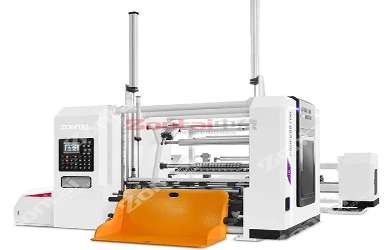
Slitting rewinding machines are essential equipment in the manufacturing and packaging industries, designed to efficiently cut large rolls of material into smaller, more manageable sizes. These machines play a pivotal role in processing a wide range of materials, including paper, film, foil, and non-woven fabrics. In industries such as packaging, printing, and labeling, slitting rewinding machines help ensure precise cuts and high-quality end products. By slitting the material into narrower rolls and rewinding them onto individual cores, these machines not only enhance productivity but also improve material handling, reducing waste and increasing efficiency. Their versatility makes them a crucial asset for companies looking to streamline their production processes while maintaining quality standards.
Slitting rewinding machines are designed to efficiently process large rolls of material by cutting them into smaller, manageable widths and rewinding them onto new cores. The machine’s workflow involves several key stages that ensure precision and efficiency. Below is a detailed breakdown of how these machines work:
The process begins with unwinding the large parent roll. The material is unwound from the core in a controlled manner to ensure smooth feeding into the machine. This stage is crucial as improper unwinding can lead to material tension issues, which could affect the quality of the slitting process. The unwinder often includes a tension control system to maintain consistent material feed throughout the process.
Once the material is fed into the machine, it passes through the slitting unit, where it is cut into narrower rolls using rotary or fixed slitting knives. Depending on the machine's design, slitting can be done using shear-type or score-type methods to ensure clean and precise cuts. During this stage, the machine uses a tension control system to keep the material taut, preventing misalignment or jagged edges.
After slitting, the narrower rolls are rewound onto new cores. The rewinding process is carefully controlled by a tension system that ensures each new roll is wound evenly. This stage is essential for avoiding problems such as over-tightening or uneven winding, which could lead to poor-quality finished products. The rewinding stage typically involves constant monitoring to ensure the right amount of tension is applied.
Throughout the entire process, a control system actively monitors the machine’s operations. It adjusts parameters like speed, tension, and alignment to ensure precision and prevent defects. This system also allows operators to make real-time adjustments as needed to accommodate different materials, thicknesses, and production requirements.
Once the slitting and rewinding processes are complete, the material is often inspected for defects such as uneven edges, wrinkles, or improper tension. If necessary, adjustments are made, and the rolls are then prepared for packaging or further processing. This final inspection ensures that the finished product meets the required standards before it moves to the next phase in production.
Slitting rewinding machines are highly specialized equipment that play a critical role in industries that require precise cutting and rewinding of large rolls of material. These machines are designed with several key features that enhance their performance and make them suitable for high-volume production environments. The following are the core technical aspects of slitting rewinding machines:
Precision is one of the most important features of a slitting rewinding machine. The machine’s ability to achieve accurate, clean cuts is essential for maintaining the quality of the final product. Advanced slitting technology ensures that the material is cut to the exact width and tolerances required by the specific application. The machine's blade settings and the tension control system work together to ensure that each slit roll is consistent in size and shape, reducing defects such as uneven edges or misalignment.
Speed is a critical factor in maximizing production efficiency. Slitting rewinding machines are designed to operate at high speeds, capable of handling large volumes of material without sacrificing precision. The high-speed operation allows manufacturers to meet production targets more quickly and with fewer interruptions, increasing the overall throughput of the production line. However, speed should not come at the expense of quality, and modern machines are engineered to balance both high-speed operation and precision.
Modern slitting rewinding machines are highly automated, with advanced control systems that manage various processes without requiring constant manual intervention. Automation plays a significant role in reducing human error and increasing efficiency. Features like automatic tension control, auto-adjusting slitting blades, and digital monitoring systems allow for quick adjustments to accommodate changes in material type, thickness, and production requirements. This automation also minimizes downtime and reduces the need for manual oversight, making the machine more reliable and easier to operate.
Tension control is crucial for ensuring the smooth feeding, slitting, and rewinding of materials. Proper tension ensures that the material stays taut throughout the process, preventing problems such as wrinkling, tearing, or misalignment. Slitting rewinding machines are equipped with sophisticated tension control systems that adjust the tension dynamically during the production run. This ensures that the material is evenly fed into the slitting unit and that the rewound rolls are tightly and evenly wound, which helps maintain product quality.
Slitting rewinding machines are highly adaptable and can process a wide variety of materials, including paper, plastic films, aluminum foil, non-woven fabrics, and more. The ability to handle different materials and thicknesses makes these machines versatile for various industries, such as packaging, printing, and textiles. Additionally, many machines offer customizable features, allowing manufacturers to modify the equipment based on specific production requirements, such as adding extra slitting knives or integrating additional functionality like inspection systems or perforation tools.
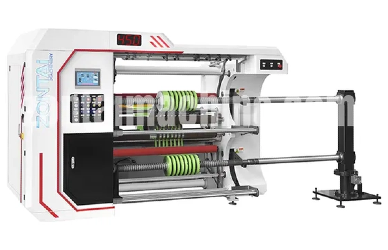
Slitting rewinding machines are essential tools across multiple industries, used to convert large rolls of material into smaller, precise rolls for further processing. Here are some key industries and the benefits of these machines:
In packaging, slitting rewinding machines process materials like paper, plastic films, and aluminum foil for products such as food packaging and consumer goods.
Benefits:
Precision: Ensures accurate cuts to the required sizes.
Efficiency: High-speed operation improves throughput.
Versatility: Capable of processing various materials.
Slitting rewinding machines are used to cut and rewind rolls of paper, vinyl, and polyester films for labeling products like bottles, jars, and cans.
Benefits:
Precision: Ensures uniform label size and quality.
Customization: Adjustable slitting knives for different sizes.
High-Speed: Meets large-scale labeling demands.
These machines are used in paper processing to convert large rolls into smaller, manageable sizes for products like tissue paper and printing paper.
Benefits:
Consistency: Provides uniform cuts for high-quality paper products.
Waste Reduction: Optimizes material use with precise cuts.
Flexibility: Can handle various paper grades and thicknesses.
In the textile industry, slitting rewinding machines cut fabric and non-woven materials into smaller widths for use in clothing, medical supplies, and insulation.
Benefits:
Precision: Ensures accurate fabric cuts for minimal waste.
Flexibility: Handles various fabric types and thicknesses.
Quality: Consistent slitting ensures high-quality end products.
Used for processing plastic films, metal foils, and laminated materials, these machines are key in industries like food packaging and electronics.
Benefits:
Customizable: Supports different slitting configurations.
Speed: Handles large volumes efficiently.
Tension Control: Prevents material damage during processing.
In printing, slitting rewinding machines cut printing substrates like paper and plastic films for use in labels, posters, and other printed materials.
Benefits:
Accuracy: Ensures precise cuts for printing presses.
Speed: Enhances production efficiency.
Material Versatility: Suitable for various printing substrates.
A slitting rewinding machine not only slits the material but also rewinds it into smaller rolls, while a slitting machine typically only cuts the material without rewinding it.
By providing precise cuts and accurate tension control, slitting rewinding machines minimize material wastage, ensuring efficient use of the raw material and reducing scrap.
Regularly inspect and clean the slitting blades, calibrate tension control systems, lubricate moving parts, and monitor tension settings to maintain smooth operation and prevent breakdowns.
Yes, slitting rewinding machines are designed to handle a wide range of material thicknesses, from thin films to thicker substrates, thanks to adjustable tension control and customizable slitting configurations.
Slitting rewinding machines play a vital role in modern production lines across a variety of industries, including packaging, labeling, paper processing, textiles, and printing. These machines offer several key advantages, such as high precision, speed, efficiency, and versatility, which enable manufacturers to meet the demands of high-volume production while maintaining product quality. By accurately slitting and rewinding materials like paper, film, and foil, they help minimize waste, optimize material usage, and ensure consistent, high-quality results. Whether for converting large rolls of material into smaller, manageable sizes or processing a wide range of substrates, slitting rewinding machines are indispensable tools that drive efficiency and support the growth of industries worldwide. Their ability to adapt to various materials and production requirements makes them crucial in today’s fast-paced manufacturing environment.
