

Views: 0 Author: Site Editor Publish Time: 2026-01-27 Origin: Site


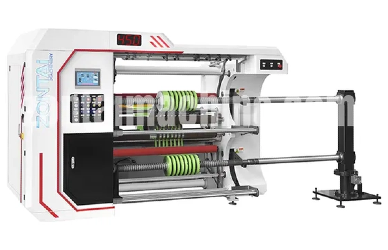
Slitting rewinding machines are essential pieces of equipment in various industries that require precise cutting and rewinding of large rolls of material into smaller, more manageable sizes. These machines are widely used in sectors such as packaging, labeling, paper processing, textiles, and flexible film production. By unwinding a parent roll, slitting it into narrower widths, and then rewinding the material onto individual cores, slitting rewinding machines help streamline production processes. They not only ensure uniformity and precision in material sizes but also play a key role in reducing material waste, optimizing efficiency, and maintaining high-quality standards. Their ability to handle a wide range of materials—including paper, plastic films, and non-woven fabrics—makes them indispensable in modern manufacturing environments, where speed, accuracy, and cost-efficiency are paramount.
The unwinding process is the first critical stage in the operation of a slitting rewinding machine. During this phase, the large parent roll of material is fed into the machine, and the unwinder ensures a smooth and consistent flow of material for the subsequent slitting and rewinding stages. The unwinding process involves several key steps:
The parent roll, which is typically large and heavy, is placed on the unwinder. The unwinder holds the roll securely while allowing it to rotate smoothly as the material is unwound. This initial step is crucial as it ensures that the roll is correctly aligned for optimal material feed.
A primary function of the unwinder is to maintain consistent tension as the material is fed into the slitting unit. Too much tension can cause the material to tear or wrinkle, while too little tension can lead to slippage or uneven feeding. The unwinder is equipped with a tension control system that constantly monitors and adjusts the tension to ensure the material remains taut but not overstretched.
As the material is unwound, it must remain aligned to avoid skewing or uneven cutting. The unwinder incorporates alignment guides or pivotal arms to keep the material on track. These mechanisms ensure that the material enters the slitting section without deviation, preventing edge defects and ensuring clean cuts during the slitting process.
The unwinder utilizes a series of rollers, including feed rollers and guiding rollers, to direct the material into the machine. These rollers help maintain the correct path and even feeding speed. Many unwinding systems have adjustable features that allow for changes in the tension or material width, providing flexibility in processing different types of material or roll sizes.
Finally, the unwinder is monitored by an automated system to detect any irregularities, such as material misalignment, slippage, or tension fluctuations. If an issue arises, the system can make real-time adjustments to ensure the material continues feeding smoothly. Some machines may also feature sensor systems that alert operators if the material is not feeding correctly.
The slitting process is a crucial step in slitting rewinding machines, where the unwound material is cut into narrower strips. The precision of this process directly affects the quality of the final product. Below is an overview of the slitting unit, the blades used, and the cutting methods involved:
The slitting unit contains key components, including slitting blades, tension control, and guiding systems. The material is fed through the unit after unwinding, where it is then cut into the required widths.
Rotary Blades: Circular blades that rotate at high speeds to cut through materials smoothly.
Shear Blades: Blades that move in a scissor-like motion, ideal for thicker materials.
Score Blades: A rotating blade presses into the material, creating a shallow cut that allows for tearing along the score line, commonly used for paper.
Hot Knife Blades: Blades heated to cut through heat-sensitive materials like plastic films, preventing fraying.
Shear Cutting: A precise cutting method where two blades work together to cut the material cleanly.
Score Cutting: Involves making a shallow cut in the material, allowing it to be torn along the line, often used for paper or film.
Kiss Cutting: A blade lightly cuts the surface without going through the material, ideal for adhesive labels and protective films.
Tension control is crucial during slitting to ensure even cuts. The tension system adjusts the material's pressure as it passes through the slitting blades, preventing uneven cuts and material stretching.
Slitting units are often adjustable to accommodate various materials. Operators can modify settings such as blade pressure and speed to optimize the process and minimize waste.
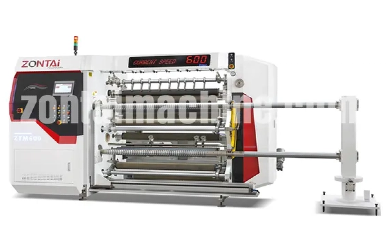
The rewinding process follows the slitting stage and is essential for ensuring the slitted material is properly wound onto cores for storage, packaging, or further processing. This stage focuses on achieving uniform winding and maintaining consistent tension for high-quality results. Here’s an overview of the key steps involved:
After slitting, the material is fed into the rewinding unit, where it is wound onto cylindrical cores. The machine ensures each strip is evenly wound, creating consistent roll sizes. Proper alignment and smooth feeding prevent defects like misaligned rolls or uneven edges.
Maintaining correct tension during rewinding is critical to avoid over-tightening or under-tightening. Too much tension can cause wrinkles or tears, while too little tension can result in loose, uneven rolls. A tension control system dynamically adjusts and monitors tension to keep the material taut without overstretching, ensuring roll integrity.
Uniform winding is crucial for consistent roll sizes and quality. The rewinding unit uses winding rollers and guiding systems to maintain even tension and prevent uneven winding. These systems monitor material feed and winding speed, making adjustments as needed to ensure the material is wound consistently and evenly.
After rewinding, a final inspection checks for defects like uneven winding or excessive tension. If issues are detected, adjustments are made to tension control or winding speed to correct them, ensuring the rolls meet quality standards before packaging or further processing.
Control systems and automation are vital for ensuring the efficiency and precision of slitting rewinding machines. These systems monitor and adjust parameters like speed, tension, and alignment, ensuring smooth and consistent operation.
Speed control ensures synchronization between the unwinding, slitting, and rewinding stages, preventing misalignment and uneven cuts.
How It Works: The system adjusts motor speeds to keep the material moving at a consistent rate throughout the process, regardless of material type.
Tension control ensures the material is neither too tight nor too loose, preventing issues like tearing, wrinkling, or poor-quality cuts.
How It Works: Sensors continuously monitor tension, and the system adjusts mechanisms like brakes and clutches to maintain the desired tension level.
Alignment control ensures the material remains properly aligned, avoiding defects like uneven edges or incorrect roll sizes.
How It Works: Alignment sensors and feedback systems detect misalignment, and guide rollers or correction arms automatically adjust the material's path.
Closed-loop feedback systems allow for automatic adjustments to parameters, minimizing the need for human intervention and maintaining consistent operation.
How It Works: Real-time data from sensors allows the system to adjust speed, tension, and alignment to ensure smooth operation.
A user-friendly interface gives operators easy access to machine settings and production status, improving efficiency and control.
How It Works: Operators can monitor and adjust parameters like speed and tension, with automated fault detection for quicker troubleshooting.
The system can automatically adjust cutting blades, roll sizes, and settings to accommodate varying materials and production needs, increasing efficiency.
How It Works: The control system adjusts settings for quick job changes and material differences, streamlining production.
Slitting rewinding machines can process a variety of materials, including paper, plastic films, aluminum foil, and non-woven fabrics.
Tension control ensures that the material is fed and rewound evenly, preventing issues like wrinkling or tearing by adjusting the force applied to the material.
Yes, slitting rewinding machines can accommodate different roll sizes by adjusting the core diameter and tension settings for various applications.
Automation allows for precise adjustments to speed, tension, and alignment, reducing the need for manual intervention and improving overall efficiency.
The slitting rewinding machine plays a critical role in the material processing industry by efficiently converting large parent rolls into smaller, precisely slitted rolls. Its workflow involves several key stages: unwinding the parent roll, slitting it into narrower widths, and rewinding the material onto cores with precise tension control and uniform winding. These stages ensure that materials such as paper, films, and non-woven fabrics are processed with high precision and minimal waste. The integration of advanced control systems allows for real-time adjustments to parameters like speed, tension, and alignment, ensuring consistent quality throughout production. Ultimately, slitting rewinding machines are essential for maintaining efficiency, reducing material defects, and ensuring that the final product meets the required specifications, making them indispensable in industries like packaging, labeling, paper processing, and textiles.
