

Views: 0 Author: Site Editor Publish Time: 2026-02-10 Origin: Site


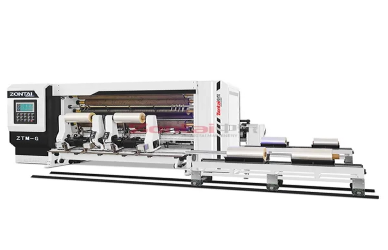
Slitting rewinding machines are essential tools in industries that process large rolls of material such as paper, film, foil, and textiles. These machines are designed to cut wide rolls of material into narrower, more manageable widths, a critical step in packaging, printing, and other manufacturing processes. They help ensure that the material is cut precisely and efficiently, meeting specific requirements for various applications. There are different types of slitting rewinding machines, each suited for specific materials and production needs. Rotary slitter rewinding machines are commonly used for high-speed cutting of thin materials, while shear slitter rewinding machines are more suitable for thicker materials and offer more precise cuts. Razor slitter machines are designed for cutting very thin materials with minimal waste, and band slitter rewinding machines are ideal for handling materials of varying thicknesses. Additionally, combo slitter rewinding machines combine various slitting methods, providing flexibility and efficiency for diverse production requirements. Choosing the right type of slitter rewinding machine depends on factors such as material type, thickness, and the desired precision of the slitting process.
Explanation of Rotary Slitting:
Rotary slitting involves the use of cylindrical rotary knives that rotate at high speeds to cut materials into narrow strips. This type of slitting is especially suitable for high-speed production of thin, flexible materials.
Common Applications and Benefits:
Rotary slitter rewinding machines are commonly used in industries such as packaging, printing, and textiles, where materials like films, paper, and non-woven fabrics are processed. The primary benefit of rotary slitting is its ability to achieve high-speed cutting without compromising on precision, making it ideal for continuous production lines. Additionally, it minimizes material waste, leading to cost savings and efficient operation.
Description of Shear Slitting:
Shear slitting utilizes two circular knives that cut the material as it passes through the machine, similar to a scissors action. This method is particularly effective for cutting thicker or harder materials that require a more precise and controlled cut.
Benefits and Typical Use Cases:
Shear slitting provides clean cuts with minimal deformation, making it ideal for materials like thicker papers, coated films, and rigid plastics. It is also well-suited for industries that require high precision in cut width, such as automotive or electronic component packaging.
Overview of Razor Slitting:
Razor slitting uses a single or multiple razor blades to cut thin materials with minimal contact. The blades are designed to slice through the material, producing high-quality, narrow cuts. This method is often employed when precision and minimal material waste are essential.
Features and Advantages:
Razor slitter rewinding machines are ideal for processing thin films, foils, and other lightweight materials. They offer high precision and produce clean edges, reducing waste and improving material yield. Razor slitting is also relatively cost-effective and efficient for smaller width cuts, making it a popular choice for flexible packaging and food industries.
Explanation of Band Slitting:
Band slitting involves using a continuous band blade to cut materials, making it ideal for handling materials of varying thicknesses. The blade operates in a looping motion, which can adjust to different materials and slitting speeds.
When and Why to Use a Band Slitter:
Band slitter rewinding machines are best suited for situations where the material thickness varies across the roll, such as in the case of multi-layered or composite materials. This slitting method offers flexibility in handling a wide range of material types and thicknesses, making it perfect for the paper, textile, and plastic industries.
Hybrid Machines with Multiple Slitting Methods:
Combo slitter rewinding machines combine two or more slitting methods, such as rotary, shear, and razor slitting, within one machine. This versatility allows operators to select the most suitable slitting method based on the material and production needs.
Versatility and Efficiency Benefits:
The main advantage of combo machines is their ability to adapt to different materials and slitting requirements, offering flexibility in processing. These machines are particularly useful in environments where a wide range of materials is processed, such as in custom packaging and industrial applications. They improve operational efficiency by allowing one machine to handle various tasks, reducing the need for multiple specialized machines.
The Rise of Automated Slitting Rewinding Machines:
Automated slitting rewinding machines are equipped with advanced control systems and sensors that ensure precise slitting by continuously monitoring material thickness, tension, and cutting precision.
Benefits of Automation:
Automation increases efficiency, reduces waste, and improves product quality by enabling continuous operation with minimal human intervention. It also ensures consistent and accurate slitting, crucial for industries requiring high precision, like packaging and electronics.
Demand for Energy-Efficient Machines:
There is a growing demand for energy-efficient slitting machines that help reduce operational costs and environmental impact.
Energy-Saving Features:
These machines incorporate optimized motors, regenerative drives, and advanced technologies like variable frequency drives (VFDs) that adjust power usage according to operational needs, lowering electricity costs and reducing the machine's carbon footprint.
Advanced Control Systems:
Modern slitting rewinding machines are integrating PLCs (Programmable Logic Controllers) and sensors for real-time monitoring and adjustments to key settings like tension and blade alignment.
Improving Performance and Flexibility:
These systems allow for immediate adjustments, reduce downtime by identifying issues early, and enhance flexibility by enabling quick changes between materials and slitting methods, improving both machine performance and production efficiency.
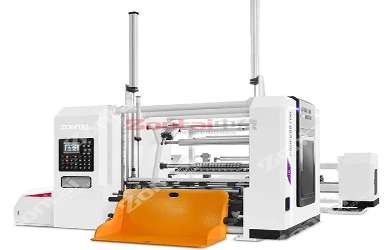
Each slitting method offers distinct advantages and limitations, making it essential to choose the right one based on the material type and the specific requirements of the application. Here’s a comparison of the most common slitting methods:
Advantages:
High-speed cutting, ideal for continuous production.
Efficient for thin, flexible materials like films and papers.
Minimal material waste and clean cuts.
Limitations:
Less effective for thicker or harder materials.
Can struggle with non-uniform material thickness.
Best For: Thin, flexible materials used in packaging, textiles, and printing industries.
Advantages:
Suitable for thicker materials and more precise cuts.
Clean edges and high accuracy.
Limitations:
Slower compared to rotary slitting.
Can be more complex and require higher maintenance.
Best For: Medium to heavy-duty materials like thicker papers, coated films, and plastics.
Advantages:
Ideal for very thin materials with minimal waste.
High precision and clean cuts.
Limitations:
Not suitable for thicker materials.
Limited cutting speed and may cause surface damage to sensitive materials.
Best For: Thin films, foils, and lightweight materials, particularly in the food and packaging industries.
Advantages:
Excellent for materials with varying thicknesses.
Provides flexibility in handling complex material types.
Limitations:
Slower compared to other methods.
Requires careful setup and maintenance.
Best For: Multi-layered or composite materials, often used in textiles, paper, and plastics industries.
Advantages:
Combines different slitting methods in one machine for versatility.
Adaptable to a range of materials and slitting requirements.
Limitations:
More expensive and complex than single-method machines.
Requires additional space and may involve higher operational costs.
Best For: Manufacturers that process a variety of materials and require flexibility in slitting methods, such as custom packaging or industrial applications.
Choosing the right slitting rewinding machine is essential for achieving optimal performance and high-quality results. Key factors to consider include material characteristics, slitting speed and precision, and machine cost and maintenance.
Thickness:
The material thickness determines the slitting method. Thicker materials need machines like shear slitting or band slitting, while thinner materials are best suited for rotary slitting or razor slitting.
Flexibility:
Flexible materials, such as films, require slitting methods that prevent stretching or tearing. Rotary and razor slitting are ideal for these, while shear slitting works better for more rigid materials.
Surface Quality:
Materials with delicate surfaces or coatings should use razor slitting to avoid damage. Thicker, durable materials can handle shear or band slitting without significant surface harm.
Slitting Speed:
Rotary slitting is ideal for high-speed production of thin materials, while methods like shear slitting are slower but necessary for thicker or more complex materials.
Precision:
For precise, clean cuts, razor slitting or shear slitting are best. If speed is prioritized over precision, rotary slitting can provide acceptable quality for many applications.
Cost:
Rotary slitting machines are often more affordable for high-speed thin material slitting, whereas shear or combo slitting machines tend to be more expensive but offer higher versatility and precision.
Maintenance:
Consider maintenance requirements. Rotary slitting machines are lower maintenance, while shear or band slitting machines may require more attention. Choose a machine that fits your operational needs and maintenance capabilities.
Support:
Ensure the machine manufacturer offers reliable customer support, including troubleshooting, spare parts, and training, to minimize downtime.
Rotary slitter rewinding machines are ideal for high-speed processing of thin, flexible materials like films and papers.
No, shear slitting is generally better for thicker materials, as it offers more precise cutting for medium to heavy-duty applications.
Razor slitting is ideal for cutting very thin materials with minimal waste, offering high precision at lower speeds.
Combo machines can be more expensive due to their versatility, but they offer flexibility and efficiency in processing various materials and slitting methods.
There are several types of slitting rewinding machines, each designed for specific applications based on material type, thickness, and precision requirements. Rotary slitting is ideal for high-speed production of thin, flexible materials like films and papers. Shear slitting is better for thicker materials, offering precise cuts and high accuracy. Razor slitting is perfect for very thin materials, providing minimal waste and clean edges. Band slitting is versatile, handling materials with varying thicknesses or multi-layered compositions. Lastly, combo slitting machines offer flexibility by combining different slitting methods, making them suitable for a wide range of materials and production needs. Selecting the right slitter rewinding machine is essential for achieving the desired balance of efficiency, precision, and cost-effectiveness. By understanding the unique advantages and limitations of each type, manufacturers can choose the machine best suited to their specific production goals, ensuring high-quality results and optimized operations.
