

Views: 0 Author: Site Editor Publish Time: 2026-02-09 Origin: Site


Slitting rewinding machines are vital in industries that process large rolls of materials, such as paper, film, and foil, by cutting them into narrower strips. These machines play a critical role in ensuring that materials are accurately slitted and rewound to meet the specific width and quality requirements of various applications. Whether in packaging, printing, or textiles, the slitting process must be precise to achieve high-quality results and minimize waste. To maintain optimal performance and extend the lifespan of the equipment, regular maintenance is essential. Proper upkeep ensures that all components, including blades, rollers, and tension systems, operate smoothly, preventing downtime and costly repairs. Routine maintenance, such as inspections, cleaning, lubrication, and calibration, helps preserve the machine's efficiency, ensuring consistent slitting quality and ultimately supporting the overall production process.
Routine inspections are crucial for maintaining the efficiency, performance, and lifespan of a slitting rewinding machine. By regularly checking key components for wear and damage, you can catch potential issues before they cause significant downtime or affect the quality of production.
Slitting Blades: Inspect the slitting blades for signs of dullness, chips, or cracks. Worn-out or damaged blades can lead to poor-quality cuts, such as jagged edges or uneven widths, which can result in material waste and reduced production efficiency. Regularly sharpening or replacing blades will help maintain high slitting precision.
Rollers: Check the rollers for smooth rotation and wear. Any damage to the rollers, such as cracks or uneven surfaces, can cause the material to be misfed or misaligned during the slitting process, leading to inaccuracies in cut width and quality. Replace or repair rollers as needed to ensure a smooth material flow.
Tension Systems: Inspect the tension systems for proper operation. Ensure that the tension is evenly distributed across the material. Any irregularity in tension can cause the material to stretch or wrinkle, which in turn affects the slitting consistency. Make sure the tension controls are adjusted regularly to maintain uniform material feeding.
Blade Sharpness: Regularly check the sharpness of the slitting blades to ensure they are cutting efficiently. Dull blades create uneven cuts, leading to jagged edges and potential material damage. Regular sharpening or replacement of blades helps maintain smooth, precise cuts, ensuring consistent product quality.
Blade Alignment: Ensure the slitting blades are correctly aligned with the material being processed. Misalignment can result in uneven slitting or inaccurate cut widths. If necessary, adjust the blade positioning to ensure it is properly aligned with the rollers and tension systems to achieve accurate slitting results. Proper alignment helps optimize the machine’s performance and ensures high-quality output.
Maintaining a clean and well-lubricated slitting rewinding machine is essential for optimal performance and longevity. Regular cleaning helps prevent the buildup of dust and debris that can cause mechanical issues, while proper lubrication ensures smooth operation and reduces friction, extending the life of moving parts.
Dust and Debris Removal: Regularly clean the machine, especially areas where dust, material remnants, or adhesive residue tend to accumulate. These particles can obstruct moving parts, cause misalignment, or even lead to mechanical failure if left unchecked. Use appropriate cleaning tools, such as soft brushes or compressed air, to remove debris from sensitive components like rollers, slitting blades, and tension systems.
Residual Material Cleaning: After each production run, it’s important to clean any residual materials that might have accumulated on the machine’s surfaces, including the rollers and guides. Leftover material can affect the machine’s performance, leading to inconsistent slitting and material waste. Wipe down the machine’s exterior and interior surfaces regularly to maintain cleanliness and ensure smooth operation.
Lubricate Moving Parts: Proper lubrication of moving components such as rollers, gears, and bearings is critical to reduce friction and prevent wear. Use the manufacturer’s recommended lubricants to ensure compatibility with the machine and avoid damage. Regular lubrication helps prevent overheating, excessive wear, and mechanical failure, ensuring that the machine runs smoothly and efficiently.
Lubrication Schedule: Establish a regular lubrication schedule based on the manufacturer’s guidelines, usually every 500 hours of operation or after a certain number of production cycles. Pay special attention to areas with high friction, such as roller bearings and tension systems, as these parts experience the most wear during operation. Proper lubrication extends the life of these components, reduces maintenance costs, and helps maintain consistent slitting quality.
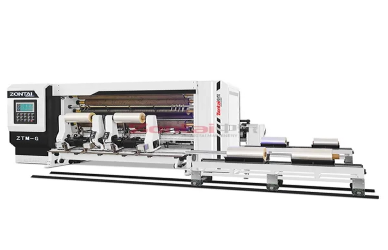
Proper calibration and adjustment of the slitting rewinding machine are critical to ensuring precise slitting and maintaining consistent performance. Regular checks and adjustments to tension control and blade alignment ensure uniform material flow and accurate cuts, reducing the risk of defects and material waste.
Check Tension Settings: Regularly check the tension settings to ensure they are appropriate for the type of material being processed. Tension plays a crucial role in preventing material stretching or wrinkling during the slitting process. If the tension is too high, it can cause the material to stretch; if it is too low, the material can become loose and misaligned.
Adjust Tension for Uniform Flow: Adjust the tension settings to maintain a consistent material flow through the machine. Proper tension control ensures that the material moves smoothly through the slitting process, preventing issues like uneven cuts or misalignment. This is especially important for delicate or flexible materials that require precise tension management to avoid quality issues.
Ensure Proper Blade Alignment: Slitting blades need to be properly aligned to ensure that the material is cut evenly. Misaligned blades can result in jagged edges, uneven widths, and an overall reduction in slitting quality. Regularly inspect the blades to confirm that they are aligned with the material and the machine's guiding system.
Calibrate for Precision: Over time, the blades may need recalibration due to wear or operational shifts. Ensuring that the blades are calibrated correctly will help maintain cutting accuracy, minimize material waste, and achieve the desired slit width. Adjust the blade positions according to the manufacturer’s specifications and check alignment with the material and rollers to ensure precision.
Operator training and adherence to best practices are essential for ensuring the efficient operation of slitting rewinding machines and maintaining high-quality slitting results. Well-trained operators can prevent errors, improve machine performance, and extend the life of the equipment. Additionally, proper material handling practices help minimize unnecessary stress on the machine, contributing to smoother operation.
Provide Clear Guidelines for Machine Operation:
Operators should be thoroughly trained on how to set up and operate the slitting rewinding machine. This includes understanding machine settings, adjusting tension, blade calibration, and proper feeding techniques. Clear guidelines help operators navigate the machine’s controls and settings with confidence, reducing the risk of errors that could lead to uneven slitting or material waste.
Troubleshooting and Problem-Solving:
Operators should be equipped with basic troubleshooting skills to address common issues that arise during slitting, such as uneven cuts, material misalignment, or machine malfunctions. Training should include instructions on how to identify potential issues early and how to perform basic fixes without requiring downtime or costly repairs.
Regular Maintenance Tasks:
Ensure that operators understand the importance of routine maintenance, such as regular inspections, cleaning, and lubrication. Provide clear guidelines on how to perform these tasks and how often they should be carried out. Well-maintained machines run more efficiently, leading to higher-quality slitting and fewer mechanical issues.
Proper Loading and Feeding:
Train operators to load and feed material into the machine properly. Misfeeding material can lead to jams, uneven cuts, or material waste. Operators should ensure the material is aligned correctly, with consistent tension, before it enters the slitting area.
Minimize Stress on the Machine:
Encourage operators to handle materials gently to avoid unnecessary stress on the machine. Rough handling or improper material feeding can lead to misalignment, uneven tension, or even machine damage. By handling materials carefully, operators can ensure smooth processing and reduce wear on the equipment.
Prevent Material Wrinkling or Damage:
Operators should be trained to recognize signs of material stress, such as wrinkles, folds, or surface damage. They should avoid forcing the material through the machine, as this can lead to poor slitting results and cause unnecessary wear on the rollers, blades, or tension systems.
Regularly check the blade sharpness and replace them when necessary. Proper machine setup and tension control can also reduce excessive wear.
Check for misalignment in the blades or rollers, adjust the tension settings, and ensure the material is being fed correctly into the machine.
Lubricate the machine every 500 hours of operation or according to the manufacturer's guidelines to reduce friction and prevent wear on moving parts.
Yes, improper setup or handling can cause uneven slitting, machine stress, and even damage. Proper operator training is crucial to prevent mistakes and ensure smooth operation.
Proper maintenance is crucial for ensuring high-quality slitting results and maximizing the efficiency of a slitting rewinding machine. Regular inspections, cleaning, and calibration are key practices that help prevent performance issues, reduce material waste, and extend the lifespan of the equipment. By consistently checking and maintaining components like blades, rollers, and tension systems, operators can ensure smooth, accurate slitting operations. Regular cleaning removes debris and residual materials that can affect machine performance, while proper lubrication and calibration ensure that the machine operates with minimal friction and optimal precision. These maintenance tasks not only improve the quality of the final product but also help prevent costly downtime, repairs, and premature wear. Ultimately, investing time and resources into routine maintenance ensures that the machine runs efficiently, produces consistent results, and remains reliable for the long term.
