

Views: 0 Author: Site Editor Publish Time: 2026-01-30 Origin: Site


Can every web material run smoothly on a Slitting Rewinding Machine? Zontai offers equipment designed for stable rolls and clean edges. In this guide, you will learn which materials process best and how to learn more about our products.
Efficient processing is not only about running at high speed. It also means stable tension, clean and consistent edges, and uniform roll density from the core to the outer layer. A material is considered well processed when it moves smoothly through the machine, cuts without fraying or tearing, and rewinds into a firm, evenly shaped roll. In daily operations, efficiency is often measured through scrap rate, setup time, and downstream performance. If finished rolls feed smoothly into printing presses or packaging machines without causing stops, the slitting stage has delivered real value.
Every web material reacts differently to pull. Stretchable plastic films deform under excessive tension. Brittle aluminum foil can crack or crease if tension spikes suddenly. Laminated materials may separate when pull changes too fast during acceleration or braking. A Slitting Rewinding Machine must balance tension across unwind, slitting, and rewind zones. Modern systems often use closed-loop control to monitor and adjust pull in real time. This helps prevent wrinkles, telescoping, and uneven roll hardness, especially during long production runs.
Cutting method and winding style work together to define roll quality. Razor slitting suits thin, flexible webs that need quick blade changes. Shear slitting provides square, clean edges for rigid or thicker materials. Crush slitting handles adhesive and foam-backed products. Winding systems shape the final roll. Center winding controls tension through the core. Surface winding supports softer webs from the outside. Combined systems add flexibility for plants that process many materials.
Note: Stable tension profiles often reduce material waste over time. Lower scrap rates can help offset higher machine investment in high-volume operations.
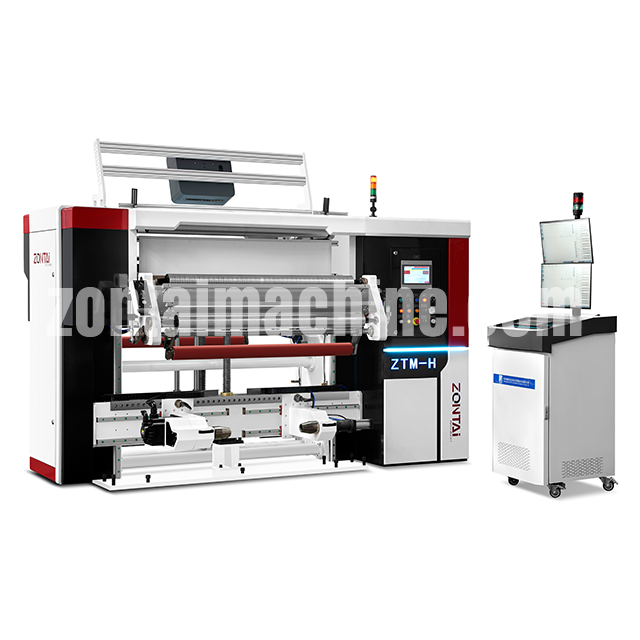
Paper remains one of the most widely processed materials in slitting operations. Common grades include printing paper, kraft paper, coated stock, and label paper. Each grade has a different surface finish and fiber structure. Lightweight paper requires gentle tension to avoid tearing at the edges. Heavy paperboard demands strong shafts and precise blade alignment to maintain straight cuts. Coated paper needs smooth rollers to protect the surface layer from scratches or marks.
Paper generates dust during cutting. Poor blade condition increases fiber buildup and contaminates machine components. Shear slitting reduces dust and produces smoother edges compared to crush or razor methods. Controlled winding ensures even roll hardness. This prevents flat spots during storage and reduces the risk of telescoping when rolls are transported.
Packaging companies use paper rolls for bags, cartons, and protective wraps. Printing plants rely on narrow rolls for presses and finishing equipment. Label manufacturers need precise widths to ensure automated applicators work without misfeeds.
Paper Type | Key Challenge | Recommended Setup |
Printing paper | Edge fray | Shear slitting |
Kraft paper | Heavy roll weight | Strong rewind shafts |
Coated stock | Surface marks | Smooth rollers |
Label paper | Width accuracy | Web guiding system |
Plastic films appear in many industries, from food packaging to industrial protection. Common types include BOPP, PET, PE, and PVC. These materials are lightweight and flexible, but they stretch easily and respond quickly to changes in tension and speed. Laminated films combine multiple layers, adding strength but also increasing sensitivity to tension imbalance between layers.
Closed-loop tension systems help keep films flat and stable. Sensors monitor web behavior and adjust motor output in real time. This reduces wrinkles, edge curl, and uneven roll build. Surface winding often supports soft films better than center winding. It reduces pressure on the core and helps maintain uniform roll density.
Food packaging depends on clean edges for sealing and branding. Industrial films need firm rolls for automated wrapping systems. Protective films require smooth surfaces for easy removal without residue.
Film Type | Sensitivity Level | Best Slitting Method |
BOPP | High | Razor |
PET | Medium | Shear |
PE | High | Razor |
PVC | Medium | Shear |
Tip: Always test both low and high speeds during trials. Some film defects only appear during acceleration or braking phases.
Aluminum foil is one of the most demanding materials to process on a slitting rewinder. Thin foil tears easily and highlights even small edge defects, while thicker foil requires greater cutting force and stronger mechanical support. Machines must balance low tension at the unwind with firm, stable control at the rewind. This balance helps prevent wrinkles, surface marks, cracks, and uneven roll build during long production runs.
Shear slitting is often preferred for foil because it produces smooth, square edges that protect both appearance and function. Razor blades tend to dull quickly when cutting metal-based webs, which can increase burrs and dust. Clean edges help maintain barrier properties in food and pharmaceutical packaging and reduce handling issues in downstream processes.
Food producers rely on foil to preserve freshness and extend shelf life. Electronics manufacturers use foil for insulation, shielding, and heat control. Construction companies depend on foil materials for thermal barriers and moisture protection in building systems.
Foil Thickness | Main Risk | Control Strategy |
Thin foil | Tearing | Low, stable tension |
Medium foil | Edge burrs | Sharp shear knives |
Thick foil | Core damage | Strong rewind system |
Nonwoven fabrics include medical textiles, filtration media, and geotextiles used in construction and industrial products. These materials vary widely in fiber density, thickness, and surface structure. Some nonwovens shed loose fibers during cutting, while others compress under pressure and change thickness across the roll. This variation means tension settings and blade choice must often be adjusted between jobs to maintain stable roll build and clean edges.
Dust extraction systems help reduce fiber spread around the cutting area and protect machine components. Web guiding systems keep the material centered and prevent edge drift during long runs. Gentle, consistent tension prevents stretching and distortion in lightweight fabrics. Clean, sharp blades improve cut quality, reduce fuzzing, and extend blade life, which helps maintain consistent output over time.
Hospitals use nonwovens for masks, gowns, and wipes where clean edges and uniform roll density support automated converting. Construction firms rely on these materials for drainage layers and insulation products that require wide, stable rolls. Automotive plants use nonwovens for sound and vibration control, where consistent width and surface quality improve assembly efficiency.
Adhesive products present unique problems during slitting. Glue residue can build up on blades and rollers, which increases friction and affects cut accuracy. Rolls may block together during winding if pressure is too high. At higher speeds, heat can soften adhesives and make them more aggressive, increasing the risk of web sticking and surface damage.
Crush slitting often works well for tapes and foam-backed webs because it handles thick, sticky layers more effectively. Low-tension winding reduces compression and blocking in finished rolls. Frequent blade cleaning, controlled temperature, and smooth roller surfaces improve consistency and help maintain stable performance during long production runs.
Automotive assembly lines use tapes for bonding, sealing, and surface protection. Packaging plants rely on labels for tracking, branding, and logistics management. Construction sites depend on sealing and insulation tapes for moisture control and structural protection, where reliable roll quality supports efficient on-site application.
Adhesive Type | Main Issue | Best Solution |
Pressure-sensitive | Blade buildup | Frequent cleaning |
Foam tape | Compression | Surface winding |
Label stock | Roll blocking | Low tension |
Some industries require extremely narrow slit widths measured in millimeters or less. Electronics manufacturers use thin strips for circuit carriers, flexible connectors, and insulation layers. Security companies rely on narrow films and threads for anti-counterfeit features in documents and packaging. These applications demand precise tension control and accurate blade positioning. Even small variations can affect electrical performance or visual appearance. Stable web guiding and low-vibration machine frames help maintain consistent results over long production runs.
Pancake rolls suit most narrow widths and offer simple handling for short and medium lengths. Spooling supports ultra-narrow strips and longer continuous lengths, which is useful in automated assembly or winding processes. Spooling can increase output per roll and reduce downtime during material changeovers. However, it often requires additional alignment and tension monitoring to keep strips from overlapping or twisting.
Accurate slitting improves product durability and reduces material waste. Clean, consistent edges help materials feed smoothly into downstream machines such as laminators, printers, and assembly lines. Precision also supports automated systems that rely on uniform dimensions for sensors and guides to work correctly, improving overall line efficiency.
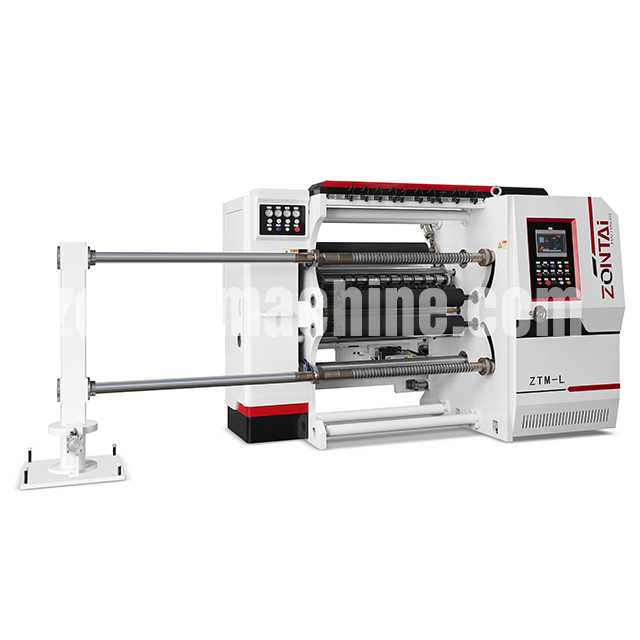
Every machine has physical limits defined by its frame strength, shaft size, and bearing capacity. Heavy rolls need strong structures to prevent vibration and misalignment. Wide webs require stable guides and reinforced unwind stands. Operating beyond these limits can reduce performance, increase wear, and raise safety risks for operators and equipment.
Glossy, coated, and treated surfaces scratch easily during transport and cutting. Smooth rollers, clean material paths, and proper tension settings help protect appearance and functional layers. In some cases, non-marking rollers and low-friction guides are used to reduce contact pressure and preserve surface quality.
Dust control systems improve air quality around the machine, especially when processing paper or fibrous materials. Safety guards, light curtains, and emergency stop buttons protect staff during operation and maintenance. Proper waste handling and recycling processes support regulatory compliance and sustainability goals.
These lines benefit from higher levels of automation and digital tension control. Fast loading and unloading systems reduce downtime and support continuous production. Consistent speed control helps maintain edge quality and roll density across long shifts.
Strong frames and large-diameter shafts support dense rolls and wide webs used in insulation, roofing, and industrial wraps. Simple, durable controls improve reliability in demanding environments where dust, heat, or vibration may be present.
Modular designs allow quick changes between blade types and winding systems. These machines adapt well to shifting order sizes and mixed material schedules. This flexibility helps plants respond to new markets or custom jobs without major equipment changes.
Industry Type | Key Feature | Machine Focus |
Packaging | Speed | Automation |
Construction | Strength | Heavy frames |
Electronics | Precision | Micro-slitting |
In real production environments, many plants look for machines that balance stability with flexibility. Some suppliers, such as Zontai, highlight features like stable tension control, modular configurations, and user-friendly control systems. These design choices help operators process a wide range of materials without constant mechanical adjustments, supporting both consistent quality and efficient changeovers.
A Slitting Rewinding Machine processes paper, films, foils, and nonwovens with the right tension and cutting setup. Understanding material behavior helps teams reduce waste and improve roll quality across production lines. The right configuration supports stable output and reliable downstream performance. Zontai adds value through stable tension control, flexible machine design, and dependable service support for consistent, market-ready rolls.
A: A Slitting Rewinder efficiently handles paper, film, foil, laminates, and labels, supporting high-precision slitting rewinder materials for packaging and converting lines.
A: A Slitting Rewinder uses tension control systems to maintain alignment and clean edges, ensuring consistent output for flexible packaging and industrial slitting rewinder applications.
A: An automatic Slitting Rewinder boosts speed, reduces waste, and improves ROI, making it ideal for high-volume film, paper, and foil processing environments.
A: Slitting Rewinder cost depends on automation level, material range, tension control features, and long-term maintenance needs for scalable converting operations.
