

Views: 0 Author: Site Editor Publish Time: 2026-01-23 Origin: Site


Choosing between a slitter rewinder vs simple slitter can shape your entire production line. Zontai offers advanced slitter rewinder machine options for teams seeking speed and stable roll quality. In this guide, you will learn how each system fits real workflows, costs, and growth plans, and discover how to learn more about our products.
A slitting rewinding machine performs two connected tasks in a single, continuous process. It first slits a wide master roll into narrow strips using a chosen blade system. It then rewinds each strip onto a new core under controlled tension. This design ensures that every finished roll has even density, smooth edges, and stable shape. These features matter in downstream processes like printing, laminating, or packaging, where uneven rolls can cause jams or quality defects. Many high speed production lines rely on this system because it reduces manual handling and improves output consistency. Some manufacturers, such as Zontai Machine, focus on rigid machine frames and intelligent tension control to keep thin films and flexible materials stable even at higher running speeds.
A simple slitter machine focuses on one main function, which is cutting width. It feeds material through blades and divides a wide web into narrow strips. The strips may collect on a basic shaft, table, or tray. In many cases, operators rewind them later using a separate process or manual tools. This approach suits low volume production, testing environments, or small workshops. It allows fast blade changes and flexible setups. However, it often requires more labor and produces less consistent roll quality. For teams that value adaptability over speed, this design can still be practical.
Both machines share similar visual features, such as blade holders, feed rollers, and metal frames. They also process similar materials, including paper, plastic films, and aluminum foil. Buyers may assume that both systems deliver the same level of performance. The real difference lies in how each machine manages tension, automation, and the finished roll. These hidden factors often shape productivity more than the cutting action itself.
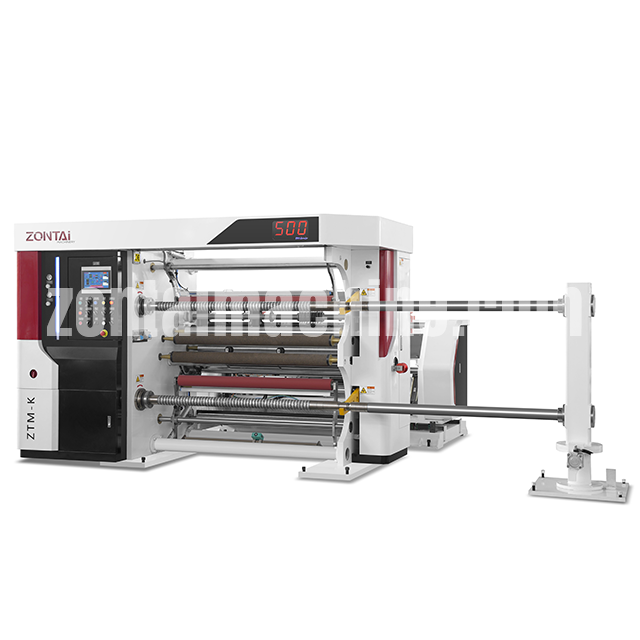
A slitter rewinder integrates cutting and winding into one seamless flow. Material enters the machine as a wide roll and exits as multiple finished rolls. This reduces handling steps and lowers the risk of contamination or damage. A simple slitter separates these tasks. Operators must move material to another station for rewinding. This adds time and increases the chance of misalignment or surface marks.
Most slitter rewinder machines include closed loop tension systems. Sensors monitor web tension and adjust motor output in real time. This keeps each strip under balanced pull. The result is fewer wrinkles, less edge curling, and more uniform roll hardness. Simple slitters rely on manual tension settings or natural drag. Output quality depends heavily on operator experience and attention.
Slitter rewinders deliver finished rolls that are ready for shipment or the next production stage. Their shape and density stay consistent from core to edge. Simple slitters often produce loose strips or uneven rolls that require extra handling and inspection.
Feature | Slitter Rewinder | Simple Slitter |
Process flow | Slit and rewind in one pass | Slit only, rewind later |
Tension system | Automatic or assisted | Manual or none |
Finished roll quality | High and consistent | Variable |
Typical use | Production lines | Small shops |
A full slitter rewinder includes an unwind stand, knife station, guiding rollers, and one or more rewind shafts. Many models use PLC systems and servo drives to control speed and tension. Some also feature automatic loading arms and roll handling devices. This structure supports continuous operation and precise web alignment. The heavier frame helps absorb vibration. This improves cutting accuracy and roll build quality during long runs.
A simple slitter usually has a lighter frame, feed rollers, and blade holders. It may include a basic take up shaft. The design keeps the footprint small and makes relocation easier. These machines often require less power and simpler wiring.
Machine mass and layout affect performance. Heavier systems hold alignment better and maintain blade position over time. Guided web paths help keep material centered. Lightweight machines may flex under load, which can affect edge quality and width accuracy.
Razor slitting uses sharp blades that slice through thin webs. It works well for light films and delicate materials. Shear slitting uses paired circular knives that cut like scissors. It produces clean edges on paper, laminates, and thicker foils. Crush slitting presses material against a hard anvil roll, which suits tapes and adhesive layers.
Slitter rewinders support all three methods. They allow precise knife spacing and quick blade changes. This flexibility helps converters switch between materials without long downtime. It also supports tighter tolerance jobs that require clean edges and consistent widths.
Simple slitters often perform best with razor or basic crush setups. They can struggle with thick laminates or materials that demand shear precision. This limits their role in high quality packaging or technical film production.
Slitting Method | Best Materials | Typical Machine |
Razor | Thin films, light foils | Simple slitter |
Shear | Paper, laminates | Slitter rewinder |
Crush | Tapes, adhesives | Both |
In modern converting environments, automation often defines the line’s true capacity. A slitter rewinder machine typically integrates digital control panels, servo driven motors, and stored job recipes. Operators can recall past settings for blade positions, roll diameter targets, and tension profiles in seconds. This shortens setup time between orders and improves repeatability across shifts. Automated systems also reduce dependence on individual operator skill. Instead of relying on experience alone, they guide users through preset parameters and alerts. This makes production more predictable and easier to scale as teams grow.
A simple slitter machine places more responsibility on the operator. Blade spacing, web alignment, and tension adjustments often require manual checks during every run. While this hands on approach offers flexibility, it increases the risk of inconsistency across different shifts or operators. For small teams, this may not pose a problem. In larger plants, however, higher labor involvement can slow output and raise training costs. Over time, these factors often become a hidden expense that influences upgrade decisions.
Automation reduces downtime in two main ways. First, it shortens changeover time between jobs. Second, it lowers the chance of defects that cause line stops. Consistent tension control and web guiding reduce misfeeds and edge damage. In contrast, simple slitters may require frequent stops for manual correction. These small delays can add up over a full shift and affect delivery schedules.
Tip: Track average setup time and stoppage frequency for one month. This data often highlights whether automation can deliver measurable gains.
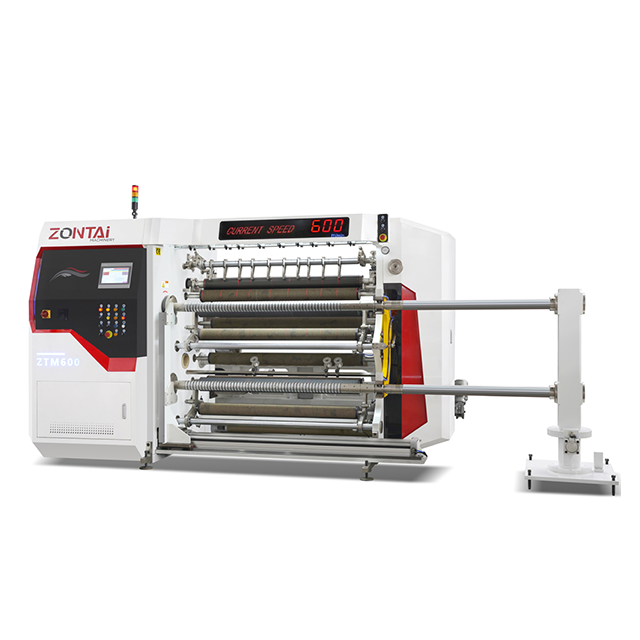
Slitter rewinders are built to handle a wide range of substrates. These include paper, plastic films, aluminum foil, multilayer laminates, nonwovens, and coated technical webs. Their tension systems allow stable processing of thin, stretch sensitive materials as well as heavier, rigid rolls. In packaging and labeling industries, this versatility supports frequent material changes without major downtime. Some suppliers, such as Zontai, emphasize machine rigidity and intelligent control systems to maintain stability when working with ultra thin films and high tension laminates.
Simple slitters serve environments where production volume remains low or job variety remains high. Custom packaging shops, training centers, and R&D labs often favor them for short runs and test samples. These machines also work well in regions where space and power supply are limited. Their compact footprint and lower energy demand make them easier to install in smaller facilities.
The best choice often depends on workflow scale. Large converters value the predictable output and consistent roll quality of slitter rewinders. Smaller operations prefer the adaptability and lower investment of simple slitters.
Industry | Preferred Machine | Key Reason |
Flexible packaging | Slitter rewinder | Stable high speed output |
Label printing | Slitter rewinder | Tight width control |
Small workshops | Simple slitter | Lower investment |
R&D labs | Simple slitter | Fast configuration |
A simple slitter usually involves a lower upfront cost and shorter installation period. Many models require only basic electrical connections and minimal floor preparation. A slitter rewinder represents a higher initial investment. It may need reinforced flooring, larger power capacity, and professional commissioning. These factors increase startup costs but often align with higher production goals.
Over time, operating cost can exceed purchase price. Automated systems reduce waste and rework, which lowers material loss. They also standardize processes, which simplifies training. Some manufacturers highlight modular designs that allow parts to be serviced or replaced without long shutdowns. This approach helps plants maintain uptime while controlling maintenance budgets.
For high volume lines, the speed and consistency of a slitter rewinder often lead to faster ROI. Increased output and lower defect rates directly support revenue growth. Low volume operations usually recover investment faster with simple machines. Their lower cost and flexible setup suit smaller order sizes and variable schedules.
Note: Service response time and spare part availability can influence total ownership cost as much as machine price.
Material sensitivity plays a major role. Stretch films and coated laminates benefit from advanced tension control. Paper and thicker webs may tolerate simpler systems. Order volume and tolerance standards also shape the decision. Tight width accuracy and clean edges often favor slitter rewinders.
Facility layout can limit machine choice. Slitter rewinders require more space for unwind and rewind zones. They also need stable power and sometimes compressed air systems. Simple slitters fit into smaller rooms and lighter electrical setups, making them easier to deploy in older facilities.
Growth often drives the upgrade path. Rising order sizes, higher quality demands, or increasing labor costs signal the need for automation. Many plants start with simple equipment and transition as market reach expands.
Tip: Review monthly output trends and labor hours. A steady rise often justifies moving to an automated slitting rewinding machine.
The choice between a slitter rewinder vs simple slitter shapes efficiency, quality, and long term cost. Simple machines support flexible, low volume tasks and quick setup needs. Slitter rewinders deliver automation, tension control, and consistent finished rolls for demanding lines. By reviewing materials, space, and growth goals, teams can plan smarter investments. Zontai slitter rewinder machines add value through stable performance, precise control, and reliable service support.
A: In slitter rewinder vs simple slitter setups, the rewinder cuts and rewinds with tension control, while simple machines only slit and require manual roll handling.
A: Slitter rewinder vs simple slitter performance differs because automated rewinding increases throughput and consistency, while simple slitters slow lines during manual changeovers.
A: A simple slitter usually costs less upfront and suits low volume, high variety tasks where full slitting rewinding machine automation is not required.
A: Without proper tension control, rolls may wrinkle, shift, or lose shape, reducing finished quality in both slitter rewinder machine and simple slitter workflows.
