

Views: 0 Author: Site Editor Publish Time: 2025-11-28 Origin: Site


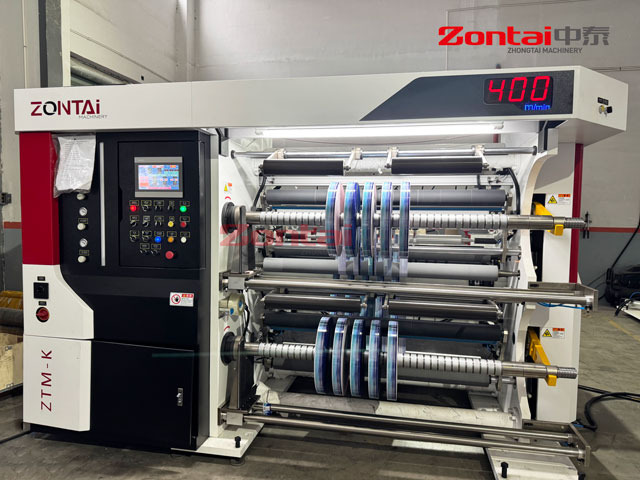
Paper roll slitting rewinding machines are essential tools in the paper converting industry, transforming large rolls of paper into smaller, manageable sizes. The cost-effectiveness of these machines plays a crucial role in the profitability of manufacturing processes, making it important to understand the factors that contribute to operational savings and long-term benefits.
In this article, we will explore what makes a paper roll slitting rewinding machine cost-effective and how companies can optimize their operations to reduce costs. From purchasing decisions to ongoing maintenance, we will examine key factors that impact the efficiency and cost-effectiveness of these machines.
The initial cost of purchasing a paper roll slitting rewinding machine is often one of the largest expenses a company faces. When selecting a machine, it’s important to consider the balance between price and performance. Machines vary widely in price depending on their size, capabilities, and features. While high-end models offer advanced automation and faster production speeds, they come with a higher upfront cost.
It’s also important to evaluate the long-term benefits of the investment. Machines with greater durability and reliability can reduce the frequency of repairs and replacement costs, ultimately offering a better return on investment (ROI).
Once the machine is in place, operational costs come into play. These costs include energy consumption, labor, and maintenance. Energy efficiency is a key factor in minimizing long-term costs. Some paper slitting rewinding machines are designed to consume less power without compromising performance, which can significantly reduce energy expenses over time.
Labor costs also need to be considered. Automated slitting rewinding machines often require fewer operators, reducing labor costs and minimizing human error. This can lead to higher efficiency and lower operational expenses in the long run.
One of the most significant factors affecting cost-effectiveness is the amount of material wasted during the slitting and rewinding process. Machines that minimize waste by making precise cuts or optimizing the size of the paper rolls can help businesses save money on raw materials. Proper machine calibration and maintenance can further reduce material wastage, enhancing overall cost-efficiency.
When selecting a paper roll slitting rewinding machine, it's essential to focus on the specifications that will best suit the production needs of your business. Features such as cutting precision, speed, and the ability to handle different types of paper are key considerations.
Machines that offer a high level of automation, such as automatic tension control and precise web guiding, can significantly reduce labor costs and improve operational efficiency. These features also help maintain consistent output quality, which reduces the chances of defects and waste.
The production speed of a slitting rewinding machine directly impacts cost-effectiveness. Machines that can operate at higher speeds typically yield more products per unit of time, allowing companies to reduce the per-unit cost of production. However, it's crucial to balance speed with quality to avoid compromising product standards.
Machines that offer flexible output adjustments allow companies to cater to different customer demands without investing in multiple machines, further improving cost efficiency.
Long-term cost-effectiveness is also influenced by the durability and maintenance needs of the machine. Machines that require frequent repairs or have a short lifespan are more expensive to maintain over time. Choosing a machine with high-quality components and robust construction can reduce downtime and repair costs, contributing to overall cost savings.
Routine maintenance, such as cleaning, lubricating, and replacing parts, is necessary to keep the machine operating at peak efficiency. However, machines designed for easy maintenance can reduce the time and costs associated with servicing.
The paper industry is constantly evolving, and the need for cost-effective machines is paramount. Many companies are opting for automated slitting rewinding machines, which offer better efficiency and lower operational costs compared to manual models. By investing in advanced machines, businesses can streamline their production processes and ensure a higher ROI.
Henghao Machine has focused on reducing production costs by optimizing machine speed and material usage. Their slitting rewinding machines are designed to minimize waste and improve energy efficiency, helping businesses lower their overall production costs.
Ruihai Machinery emphasizes the importance of high-quality components and preventive maintenance to reduce downtime and repair costs. Their machines are built to last longer, which helps businesses save money on replacements and repairs.
SlitterChina highlights the importance of reducing material waste and increasing output efficiency. They stress that investing in a high-quality machine that minimizes waste during the slitting and rewinding process can lead to significant cost savings in the long term.
Baorun Machinery points out that automation is a key driver of cost-effectiveness. By integrating automation into the slitting and rewinding process, companies can reduce labor costs and improve production efficiency, leading to a higher ROI.
YG Paper Machinery emphasizes the importance of machine durability and efficiency in handling different types of paper. Machines that offer versatility and long-term reliability provide a better value, allowing businesses to reduce operational costs over time.
Jota Machinery suggests that companies should select machines that align with their specific production needs to avoid overpaying for unnecessary features. This approach ensures that businesses can invest in machines that provide the best balance of performance and cost.
Xinyun Engine compares the cost-effectiveness of automated systems versus manual ones. They argue that automation offers significant long-term savings by improving efficiency and reducing the need for manual labor, making it an ideal choice for businesses looking to optimize their operations.
Henghao Machine advocates for a balance between high production speed and energy efficiency. By focusing on machines that operate at optimal speeds while consuming less power, businesses can reduce both energy and labor costs, leading to greater overall cost-effectiveness.
Ruihai Machinery emphasizes the importance of using high-quality components in slitting rewinding machines. Their perspective is that investing in durable, long-lasting machines can significantly reduce operational costs by minimizing repairs and downtime.
The cost-effectiveness of a paper roll slitting rewinding machine is influenced by various factors, including the initial investment, operational costs, and material utilization. By choosing a machine with the right specifications, production speed, and maintenance needs, businesses can maximize their ROI and reduce long-term expenses.
Incorporating automation, minimizing waste, and ensuring high-quality components are key strategies for optimizing the cost-effectiveness of these machines. With the right approach, companies can enhance their production processes and achieve greater profitability.
