

Views: 0 Author: Site Editor Publish Time: 2025-11-27 Origin: Site


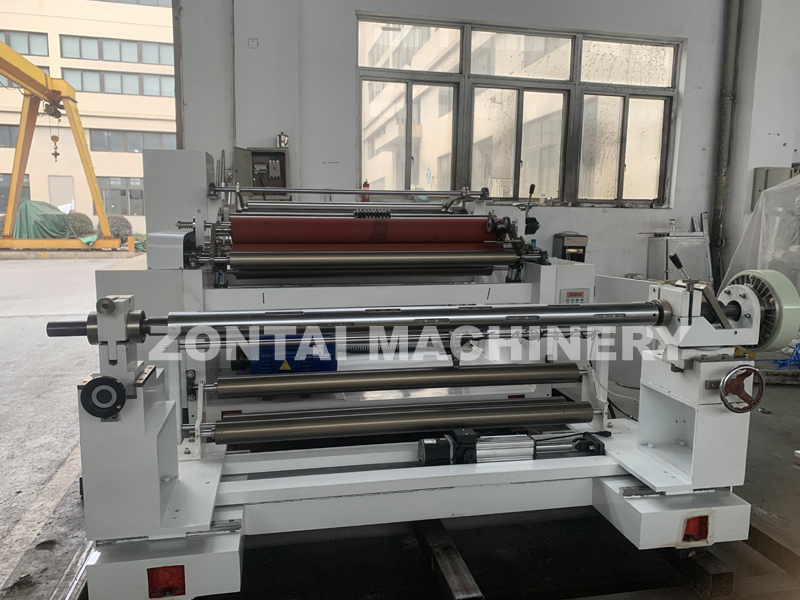
In the world of paper processing, efficiency and precision are paramount. Whether you are in the packaging, printing, or tissue industry, optimizing production lines can make a huge difference in both cost and output quality. One such solution that has revolutionized the industry is the paper roll slitting & rewinding machine. This piece of equipment plays a critical role in transforming large rolls of paper into usable sizes, tailored to specific customer needs. But is it the best solution for your business? Let’s take a closer look.
A paper roll slitting & rewinding machine is designed to take large parent rolls of paper and slit them into smaller rolls or sheets. The machine unwinds the large paper rolls, cuts them into the required widths, and then rewinds the paper onto smaller cores, making them ready for further processing or end use. This process is essential for industries that require customized paper sizes for packaging, printing, or other applications.
The slitting & rewinding process ensures that the final product is consistent in quality and meets the precise dimensions required by the customer. This machine is not just about cutting paper; it’s about providing flexibility and precision to meet diverse industry needs.
The paper roll slitting & rewinding machine operates in several key stages:
Unwinding: The large paper roll is mounted on the machine and unwound.
Slitting: The unwound paper is then slit into narrower rolls using rotary, shear, or score slitting techniques, depending on the material and the precision required.
Rewinding: The slit paper is rewound onto smaller cores, ready for shipment or further processing.
Quality Control: Some machines are equipped with automatic sensors that ensure the paper is cut precisely, and defects are identified and corrected in real-time.
By automating this process, businesses can significantly reduce manual labor, improve efficiency, and maintain a higher level of consistency in their products.
There are various types of slitting and rewinding machines, each suited to different materials and production needs:
Rotary slitting machines are ideal for high-speed applications and are best suited for thinner paper and materials. They work by using a rotating blade to make continuous cuts across the paper roll.
These machines use two blades that work against each other to slice through thicker paper or other materials. They provide a clean cut and are commonly used for heavier, thicker paper rolls.
Score slitting is perfect for sensitive or fragile materials. This method involves scoring the paper to create clean lines without fully cutting through, ensuring no damage to the material.
When selecting a paper roll slitting & rewinding machine, it’s essential to consider the following features:
Automation features can greatly enhance efficiency by reducing human error and increasing the overall speed of production. Look for machines with automated controls for tension management and cut precision.
The quality of the cut directly impacts the final product. Machines equipped with advanced slitting heads and tension control systems ensure a high degree of precision, essential for products that require tight tolerances.
User-friendly interfaces are crucial, especially for machines that will be operated by multiple team members. Modern slitting and rewinding machines come with intuitive control panels that allow for easy adjustments and monitoring.
Production speed is an important consideration, particularly for high-volume manufacturers. Fast slitting and rewinding processes can increase productivity and reduce downtime.
Given the heavy-duty nature of these machines, it’s essential that they are built to last. Look for machines with high-quality materials and solid construction that can handle continuous operation without frequent breakdowns.
Investing in a paper roll slitting & rewinding machine comes with several benefits that can significantly enhance your production process:
Automated systems allow for faster and more efficient production, significantly reducing the time required to process large rolls of paper into smaller, ready-to-use sizes.
Efficient slitting ensures that there’s minimal waste of materials. The precise cuts made by modern machines lead to better paper utilization, thus improving overall material efficiency.
With automated control systems, the paper slitting & rewinding process is highly consistent. This leads to a more uniform product, which is important for businesses that require high-quality paper rolls in specific dimensions.
While the initial investment in a slitting and rewinding machine can be significant, the long-term savings in terms of labor costs, waste reduction, and increased production output can quickly offset the expense.
Deciding whether a paper roll slitting & rewinding machine is the right solution depends on several factors:
Production Scale: If your business handles large volumes of paper that need to be cut into smaller rolls or sheets, this machine is likely the right choice.
Material Types: The type of paper and its thickness will determine which slitting machine is best suited for your needs.
Customization Needs: If your business requires a variety of paper sizes, investing in a versatile slitting and rewinding machine will provide the flexibility needed.
Budget: The upfront cost of the machine can be a consideration, but the long-term savings in operational efficiency can make it a sound investment.
Kete Group emphasizes the importance of choosing the right slitting technology to match specific paper products. They suggest that rotary slitting machines work best for thinner materials, while shear slitting machines are better suited for thicker rolls.
Infomachine advocates for the use of automation in paper roll slitting machines to minimize human error and optimize material usage. They stress that automated tension control systems are crucial for maintaining precision during high-speed operations.
Yoden focuses on durability and maintenance, highlighting the need for machines built with high-quality materials to extend their operational lifespan. They recommend regular maintenance schedules to ensure long-term functionality.
XY Tissue Machine discusses the role of advanced control systems in achieving precise cuts, ensuring that the paper is consistently cut to the required dimensions. They also emphasize the role of sensors for real-time quality control.
Cauthorne Paper stresses the versatility of slitting and rewinding machines, noting that their systems can handle not just paper but also other materials, such as nonwoven fabrics and plastics, making them adaptable to a variety of industries.
When choosing a paper roll slitting & rewinding machine, consider factors like your production volume, the types of paper you work with, and the degree of automation you require. A thorough evaluation of your business needs will help you select the best machine to optimize your operations.
A paper roll slitting & rewinding machine can be a game-changer for businesses looking to enhance efficiency, reduce waste, and improve product consistency. While the initial investment may seem significant, the long-term benefits in terms of cost savings, productivity, and product quality can make it a highly valuable asset for many industries. Whether you're in packaging, printing, or tissue manufacturing, this machine can help streamline your production process and deliver high-quality results.
